



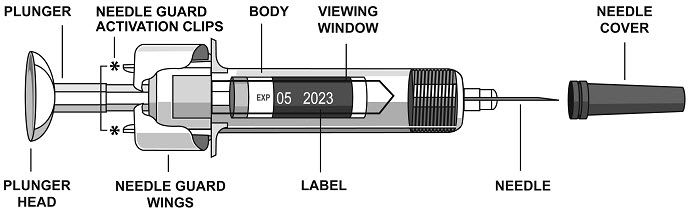
Stelara occupies an unusual spot among biologic therapies: for inflammatory bowel disease, it begins with a single intravenous infusion, then transitions to self-injections you take at home every eight weeks. That two-phase design surprises many newly prescribed patients (“wait, only one infusion?”), and it makes the first treatment day both important and, honestly, pretty manageable. This guide covers how Stelara works, what the IV induction day looks like hour by hour, the transition to injections, side effects to know, and how insurance and supply logistics typically flow. As always, this is education, not medical advice; your gastroenterologist’s plan for you is the plan.
| KEY TAKEAWAY — Stelara at a glance One weight-based IV infusion to load the medication, then subcutaneous injections every 8 weeks for maintenance. The infusion itself typically runs about an hour, and many patients describe it as the easiest part of their IBD journey to date. |
What Stelara Is and How It Works
Stelara’s active ingredient, ustekinumab, is a monoclonal antibody that targets two signaling proteins, interleukin-12 and interleukin-23 (IL-12 and IL-23). In Crohn’s disease and ulcerative colitis, these interleukins act like megaphones for inflammation, amplifying the immune response that damages the digestive tract. Ustekinumab binds a component the two proteins share (the p40 subunit), quieting both signals at once. Because it targets these specific pathways rather than broadly suppressing immunity, Stelara is often described as a precision approach, and it works differently from TNF blockers like Remicade or Entyvio’s gut-selective mechanism, which matters if you’re switching from a therapy that stopped working.
Who typically receives it
For IBD, Stelara is prescribed for adults with moderately to severely active Crohn’s disease or ulcerative colitis, often after other therapies haven’t achieved control, though it’s increasingly used earlier. (Its other indications, psoriasis and psoriatic arthritis, generally start with injections rather than an infusion.) Biosimilar versions of ustekinumab have also entered the market; if your plan prefers a biosimilar, the mechanism, dosing pattern, and experience described here apply the same way, and our pharmacists can walk you through what a biosimilar switch does and doesn’t change.
The Two-Phase Treatment Plan
Phase 1: the IV induction
Your first Stelara dose is delivered intravenously, sized to your body weight:
| Body Weight | Typical IV Induction Dose |
|---|---|
| Up to 55 kg (121 lb) | 260 mg |
| 55–85 kg (121–187 lb) | 390 mg |
| Over 85 kg (187 lb) | 520 mg |
Dosing shown for orientation only; your prescriber’s order governs. Source: FDA prescribing information.
Phase 2: maintenance injections
Eight weeks after the infusion, you begin 90 mg subcutaneous injections, typically repeated every 8 weeks. Most patients self-inject at home after training, or a caregiver learns alongside you. As your specialty pharmacy, we ship each dose cold-chain to your door on schedule, and our nurses can provide injection training until you’re confident. One infusion, then a rhythm you own.
Infusion Day, Hour by Hour
- Arrival and check-in (15 min). Vitals, a quick symptom review, and confirmation of your weight (it sets the dose). Wear comfortable clothes with sleeves that roll up easily.
- IV placement (5 min). A standard peripheral IV in the hand or forearm. Numbing options are available if needles are a sore subject.
- The infusion itself (about 1 hour). Stelara infuses over no less than one hour. Recline, snack, stream, nap, or work; your nurse monitors throughout.
- Observation and wrap-up. A brief post-infusion check, scheduling of your first injection date 8 weeks out, and you’re on your way. Most patients drive themselves home.
| PRO TIP — Book the calm hours Because Stelara induction is a single, roughly one-hour visit, it’s easy to schedule painlessly: a lunch-hour-adjacent slot or the first appointment of the morning at our Irvine or Beverly Hills centers keeps the day nearly intact. Hydrate the day before and eat normally; no fasting is required unless your prescriber says otherwise. |
Side Effects and Safety: What to Know
In clinical trials, the most common side effects reported with ustekinumab include nasopharyngitis (common-cold symptoms), headache, and upper respiratory infections. Injection-site redness applies to the maintenance phase. Infusion reactions with the IV dose are uncommon and usually mild.
| IMPORTANT — Report these promptly Because Stelara modulates immune signaling, infections deserve fast attention: call your care team for fever, persistent cough, skin infections, or flu-like illness that doesn’t resolve. Before starting, your prescriber will screen for tuberculosis. Seek immediate care for signs of a serious allergic reaction (facial swelling, throat tightness, trouble breathing). Rare but serious risks, including certain infections and hypersensitivity reactions, are detailed in the medication guide your pharmacist reviews with you. |
Two practical safety notes: keep your vaccination status current before starting (live vaccines are generally avoided during therapy; your prescriber will advise), and always tell every provider you see that you’re on ustekinumab, since it shapes decisions about infections and procedures.
| One infusion, handled end to end River’s Edge coordinates your Stelara start: prior authorization, benefits investigation, the IV induction at our Irvine or Beverly Hills centers, and cold-chain delivery of every maintenance injection afterward, with 24/7 pharmacist support in between.▸ Call (760) 340-3248 to schedule your induction |
Insurance, Cost, and the Specialty Pharmacy Role
Stelara sits on specialty tiers and virtually always requires prior authorization; step therapy rules are common for IBD biologics. Our team handles the authorization paperwork with your GI’s office, investigates your specific benefits (the IV dose and the injections can even be covered under different parts of your plan), and connects you with manufacturer copay support or foundation assistance where you qualify. If your plan prefers an ustekinumab biosimilar, we’ll explain exactly what that means for you before anything changes. The goal: you focus on the eight-week rhythm; we keep the coverage machinery invisible.
Living on Stelara: The Long View
Response builds over weeks: some patients notice symptom improvement within the first several weeks after induction, while full effect is typically judged over a few months. Your GI will likely monitor with symptom scores, labs, and possibly drug-level testing. Between doses, life is notably normal: no infusion chair every few weeks, just an injection day on the calendar. Keep every dose on schedule (gaps invite flares), store injections refrigerated, and lean on us for travel timing, vacation shipments, and any dose questions. Missed-dose questions at odd hours are exactly what our 24/7 pharmacist line is for.
| FROM OUR TEAM For many of our IBD patients, Stelara’s rhythm is the first time in years that treatment hasn’t dominated the calendar. One infusion, then six-and-a-half weeks of ordinary life between injection days. If you’re anxious about starting, come ask your questions; our pharmacists will give you straight answers at whatever depth you want. |
Frequently Asked Questions
Q: Is Stelara really only one infusion?
For Crohn’s disease and ulcerative colitis, yes: a single weight-based IV induction dose, followed by subcutaneous injections every 8 weeks for maintenance. If therapy is ever interrupted for a long period, your prescriber may decide whether re-induction is appropriate.
Q: How long does the Stelara infusion take?
The infusion itself runs about an hour, with check-in and a brief observation period around it. Plan for roughly two hours door to door, and most patients drive themselves home.
Q: How soon will I feel better?
Individual responses vary. Some patients report improvement within weeks of the induction dose, while clinicians typically assess full response over the first few months of maintenance therapy. Track your symptoms and share them at follow-ups; that record genuinely shapes decisions.
Q: Can I do the injections myself?
Most patients do, after training. Our nurses teach you (or a caregiver) proper technique, and we deliver each refrigerated dose to your door on schedule. If you’d rather have a nurse administer it, we can discuss options.
Q: What if my insurance requires a biosimilar version?
Ustekinumab biosimilars are FDA-approved as highly similar to Stelara with no clinically meaningful differences. If your plan prefers one, the dosing pattern and experience described here still apply. Our pharmacists will review the switch with you and coordinate with your prescriber so nothing about your routine breaks.
| Starting Stelara? Start here. From prior auth to the infusion chair to every injection after: one team, one number, zero coverage guesswork. ▸ repharmacy.com • (760) 340-3248 |