



When Your Immune System Needs Help
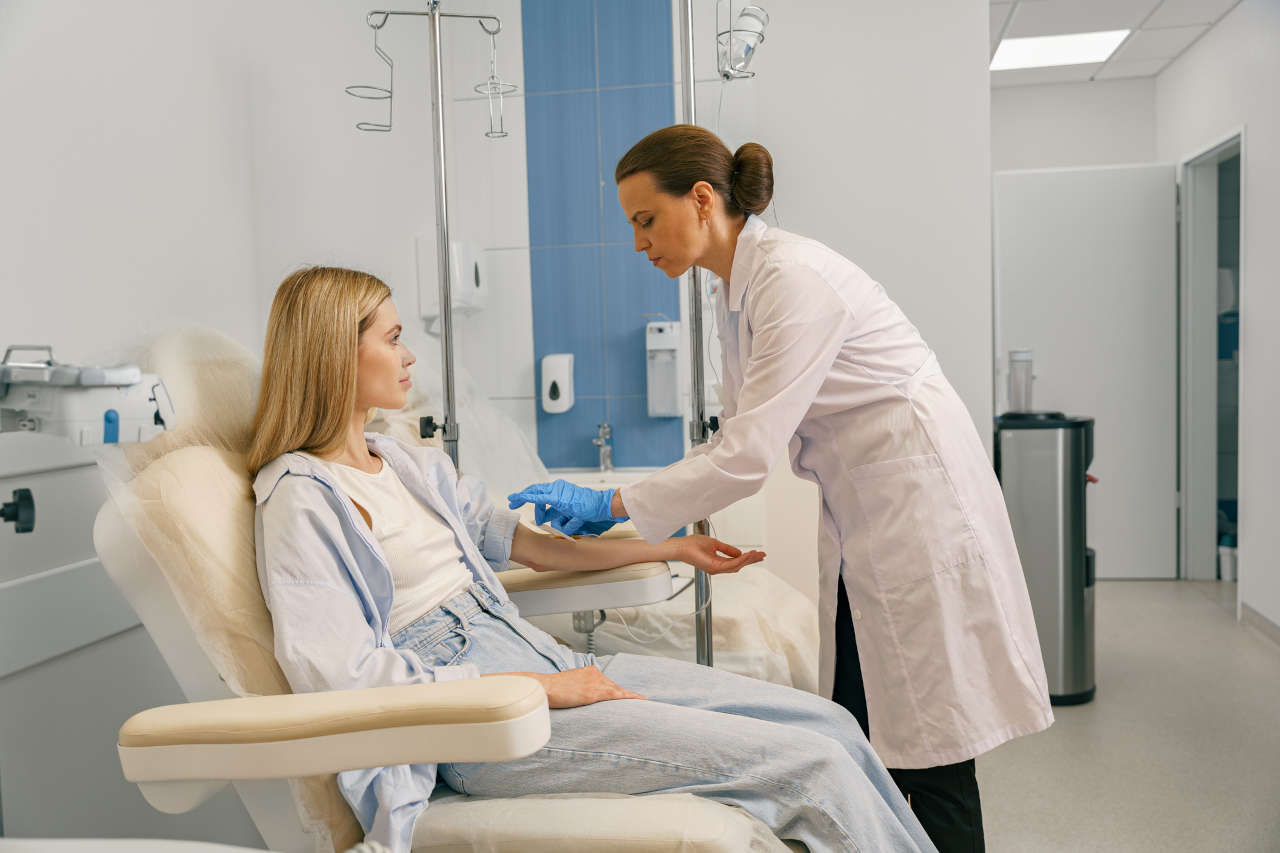
For most people, the immune system works quietly in the background — fighting off infections, clearing bacteria, and keeping the body healthy without much conscious thought. But for people living with primary immunodeficiency, the immune system doesn’t work the way it should. It’s like having a security system with critical gaps: threats that others fight off easily can become serious, recurring, and sometimes dangerous.
If you or your child has recently been diagnosed with primary immunodeficiency — or if you’ve been living with PID and are looking for better support — this guide is for you. We’ll explain what PID is, how it’s diagnosed, what treatment looks like, and how a specialty pharmacy like River’s Edge can become an essential part of your care team.
| Living With PID? River’s Edge’s immune globulin therapy program is built specifically for PID patients. We provide IVIG and SCIG with full clinical, insurance, and financial support.→ Contact Our PID Care Team: repharmacy.com/contact |
What Is Primary Immunodeficiency?
Primary immunodeficiency (PID) refers to a group of more than 400 genetic disorders that impair the immune system’s ability to function properly. Unlike secondary immunodeficiency — which is caused by external factors like medications, infections (such as HIV), or medical treatments — PID is something you’re born with. It’s caused by inherited defects in the genes that control immune cell development or function.
The most common forms of PID involve deficiencies in antibody production. Antibodies (immunoglobulins) are proteins your body makes to identify and neutralize bacteria, viruses, and other pathogens. When your body can’t produce enough antibodies — or the right kinds of antibodies — you become vulnerable to infections that others can easily fight off.
Common Types of PID
- Common variable immunodeficiency (CVID): The most frequently diagnosed PID in adults. Characterized by low levels of immunoglobulins (IgG, IgA, and/or IgM) and recurrent infections.
- X-linked agammaglobulinemia (XLA): A condition primarily affecting males in which the body produces very few or no B cells, resulting in extremely low antibody levels.
- Specific antibody deficiency: Normal immunoglobulin levels but an inability to produce antibodies in response to specific pathogens, particularly bacteria.
- IgG subclass deficiency: Low levels of one or more IgG subclasses, which can lead to increased susceptibility to certain infections.
- Severe combined immunodeficiency (SCID): A group of severe disorders affecting both T cells and B cells, typically diagnosed in infancy. Often called “bubble boy disease,” SCID is a medical emergency requiring immediate treatment.
| ⚠️ Good to Know: PID is estimated to affect 1 in 1,200 people in the United States, but experts believe it is significantly underdiagnosed. Many patients go years — sometimes decades — before receiving a correct diagnosis. |
How Is Primary Immunodeficiency Diagnosed?
PID can be difficult to diagnose because its symptoms — frequent infections, fatigue, slow recovery — overlap with many other conditions. Many patients see multiple doctors before a PID diagnosis is made.
If your doctor suspects PID, the diagnostic process typically includes:
- Detailed medical history review. Your doctor will ask about the frequency, severity, and types of infections you’ve experienced, as well as your family history of immune disorders.
- Blood tests measuring immunoglobulin levels. A simple blood draw can measure your IgG, IgA, and IgM levels. Low levels are a key indicator of antibody deficiency.
- Specific antibody response testing. Your doctor may administer a vaccine (such as a pneumococcal vaccine) and then test your blood 4–6 weeks later to see whether your body produced the expected antibodies.
- Lymphocyte analysis. A flow cytometry test counts and characterizes your T cells, B cells, and NK cells to identify specific immune cell deficiencies.
- Genetic testing (in some cases). For suspected inherited forms of PID, genetic testing can confirm the diagnosis and identify the specific gene mutation involved.
If you’ve experienced recurrent infections that don’t respond to standard antibiotics, infections that are unusually severe, or a family history of immune disorders, ask your doctor whether PID testing is appropriate.
| 💡 Pro Tip: The Jeffrey Modell Foundation publishes a widely used list of “10 Warning Signs of Primary Immunodeficiency” that can help patients and doctors recognize when further testing is warranted. Ask your doctor about it, or search for it online. |
How Is Primary Immunodeficiency Treated?
The cornerstone of treatment for most forms of PID is immunoglobulin replacement therapy — providing your body with the antibodies it can’t produce on its own. This doesn’t cure the underlying genetic condition, but it gives your immune system the reinforcement it needs to fight infections and protect your health.
Immunoglobulin Replacement Therapy: IVIG and SCIG
There are two main ways to receive immunoglobulin replacement:
- IVIG (intravenous immunoglobulin): Delivered directly into your bloodstream through an IV, typically every 3–4 weeks. Infusions can be administered at an infusion center or at home with a nurse. Each session takes approximately 2–6 hours.
- SCIG (subcutaneous immunoglobulin): Delivered under the skin through a small needle or infusion pump. SCIG is typically self-administered at home after initial training, with infusions occurring weekly or biweekly. Each session takes about 1–2 hours.
Both methods deliver the same essential antibodies. The choice between them depends on your lifestyle, comfort level, clinical factors, and personal preference.
| Feature | IVIG | SCIG |
| Delivery | IV into a vein | Under the skin (subcutaneous) |
| Frequency | Every 3–4 weeks | Weekly or biweekly |
| Setting | Infusion center or home (with nurse) | Typically self-administered at home |
| Session Time | 2–6 hours | 1–2 hours |
| Systemic Side Effects | More common (headache, chills) | Less common |
| Local Site Reactions | Less common | More common (swelling, redness) |
| Best For | Patients who prefer less frequent dosing or need clinical supervision | Patients who value independence and flexibility |
Additional Treatments
Depending on your specific type of PID, your care plan may also include:
- Prophylactic antibiotics: Ongoing low-dose antibiotics to prevent bacterial infections, especially in patients with recurrent respiratory or sinus infections.
- Aggressive treatment of acute infections: When infections do occur, prompt and sometimes prolonged antibiotic or antiviral treatment may be necessary.
- Monitoring and management of complications: Some PID patients develop autoimmune conditions, lung disease (bronchiectasis), or other complications that require ongoing specialty care.
Is Immunoglobulin Therapy a Lifelong Treatment?
For most patients with primary immunodeficiency, yes — immunoglobulin replacement therapy is a lifelong commitment. Because PID is a genetic condition, your body’s inability to produce adequate antibodies doesn’t change over time. Stopping therapy would leave you vulnerable to the same cycle of recurrent infections.
While the idea of lifelong treatment can feel daunting at first, most patients quickly find that immunoglobulin therapy becomes a manageable part of their routine. The key is having a care team that makes the logistics — scheduling, insurance, medication delivery, clinical support — as seamless as possible.
| ✅ Key Takeaway: Many PID patients describe immunoglobulin therapy as life-changing. After years of constant infections, missed school or work, and feeling chronically unwell, starting Ig replacement often means fewer infections, more energy, and a significantly better quality of life. |
Can I Receive PID Treatment at Home?
Yes — and many PID patients do. Both IVIG (with a home infusion nurse) and SCIG (self-administered after training) can be done at home. Home therapy is especially popular among PID patients because treatment is ongoing and frequent — reducing the need for regular trips to a center makes a meaningful difference over time.
At River’s Edge, we support PID patients in both settings. Our care coordinators handle scheduling and medication delivery, and our clinical pharmacists are available by phone whenever you need guidance — whether you’re infusing at our center or in your living room.
| Looking for a PID-Focused Specialty Pharmacy? River’s Edge provides IVIG and SCIG therapy with dedicated clinical pharmacists, full insurance and financial support, and flexible treatment settings.→ Let Us Support Your Care: repharmacy.com/contact |
Frequently Asked Questions About Primary Immunodeficiency
What is primary immunodeficiency?
Primary immunodeficiency (PID) is a group of more than 400 genetic disorders that weaken the immune system’s ability to fight infections. Most forms involve deficiencies in antibody production, making patients vulnerable to recurrent and sometimes severe infections.
How is PID treated?
The standard treatment for most antibody-deficient forms of PID is immunoglobulin replacement therapy, delivered either intravenously (IVIG) or subcutaneously (SCIG). This provides the antibodies your body can’t produce on its own.
Is PID treatment lifelong?
For most patients, yes. PID is a genetic condition, and immunoglobulin replacement therapy is needed on an ongoing basis to maintain immune protection. Most patients adapt to treatment as part of their regular routine.
Can children receive immunoglobulin therapy?
Yes. PID is often diagnosed in childhood, and immunoglobulin replacement therapy is safe and effective for pediatric patients. Dosing is adjusted based on the child’s weight and clinical needs.
Will insurance cover PID treatment?
Yes. Immunoglobulin therapy for PID is covered by most insurance plans, including Medicare and Medicaid. Prior authorization is typically required, and River’s Edge handles this process for every patient.
Can I do my infusions at home?
Yes. Both IVIG (with a home infusion nurse) and SCIG (self-administered) can be done at home. Your care team will help you choose the option that best fits your lifestyle and medical needs.
PID Is Rare — But You Don’t Have to Navigate It Alone
Receiving a primary immunodeficiency diagnosis can feel isolating, especially because so few people around you have heard of it. But having PID doesn’t mean living in fear of the next infection. With the right treatment and the right care team, most PID patients live full, active, healthy lives.
At River’s Edge, our immune globulin therapy program is designed specifically for patients like you. We understand the unique challenges of PID — the lifelong treatment commitment, the insurance complexity, the need for consistent and reliable medication access — and we’ve built our program around solving those challenges so you can focus on living.
Whether you’re newly diagnosed or looking for a specialty pharmacy that truly understands immunodeficiency, we’re here.
| Ready to Start or Transfer Your PID Care? River’s Edge specializes in immunoglobulin therapy for primary immunodeficiency. We handle everything from insurance to infusion — at our centers or at home.→ Contact Us: repharmacy.com/contact |