



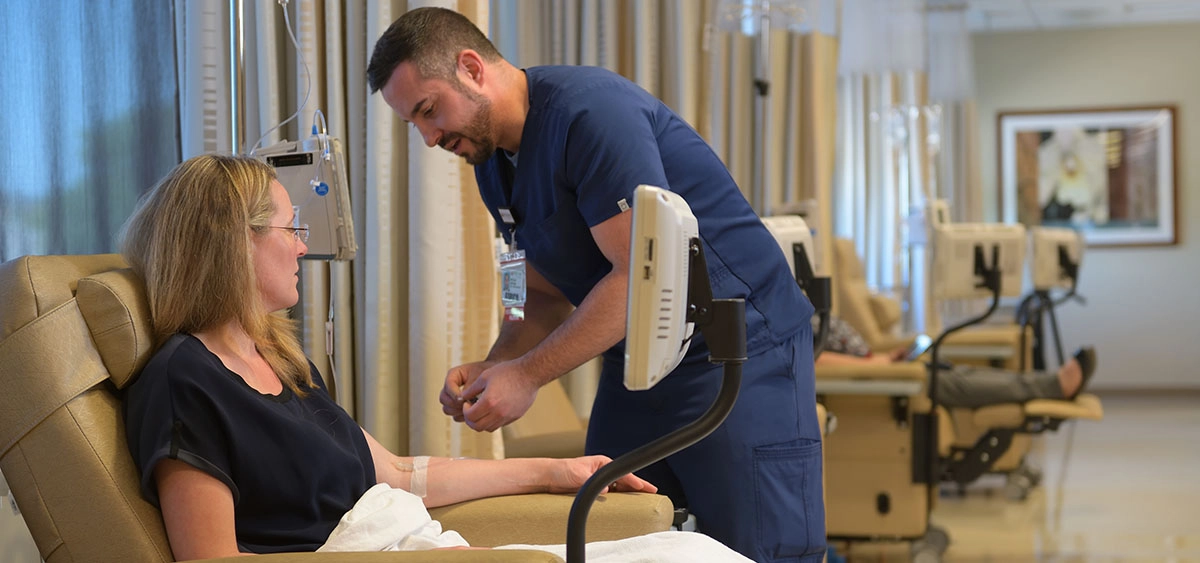
If your doctor has recommended a Reclast infusion for osteoporosis, you probably have two questions right away. What is it going to feel like, and is it safe? Both are fair questions, and both have reassuring answers for most people. This guide walks through how Reclast works, what the infusion day looks like, the side effects worth knowing about, and how a specialty infusion pharmacy can make the whole process easier.
As always, this article is educational. Your prescriber knows your health history and is the right person to decide whether Reclast fits your treatment plan.
What is Reclast?
Reclast is the brand name for zoledronic acid, a medication in the bisphosphonate family. Bisphosphonates slow down the cells that break down bone, which helps preserve bone density and reduce the risk of fractures. You may already know oral bisphosphonates like alendronate (Fosamax). Reclast delivers a similar type of medication as a once-yearly intravenous infusion instead of a weekly or monthly pill.
The FDA has approved Reclast for several uses, including treatment of osteoporosis in postmenopausal women and in men, prevention of osteoporosis in certain patients, glucocorticoid-induced osteoporosis, and Paget’s disease of bone.
Why an infusion instead of a pill?
There are a few common reasons prescribers choose the infusion route:
- Stomach and swallowing issues. Oral bisphosphonates can irritate the esophagus and have strict rules: take on an empty stomach, stay upright for 30 to 60 minutes. An infusion skips all of that.
- Adherence. One infusion a year replaces 52 weekly pills. For many patients, once a year is simply easier to stick with.
- Absorption. IV delivery does not depend on how well your digestive tract absorbs the medication.
What to expect on infusion day
A Reclast infusion is one of the shorter infusions we see. Here is the typical flow:
- Hydration first. Drink water before your appointment. Your care team may also recommend fluids because good hydration supports your kidneys, which clear the medication.
- A quick check-in. Your nurse reviews your medications and how you are feeling. Lab work, including kidney function and calcium levels, is usually checked before the infusion is approved.
- The infusion itself. Reclast is given through a small IV line over at least 15 minutes. Most appointments, start to finish, take well under an hour.
- Afterward. You can usually drive yourself home and return to normal activities. Keep drinking water through the day.
Wondering what to bring? Our checklist on what to pack for your infusion covers it, though for an infusion this short you will not need much.
Reclast side effects: what is normal and what is not
The most common experience worth preparing for is the acute phase reaction, flu-like symptoms in the first one to three days after the infusion. That can include fever, muscle aches, joint pain, headache, and fatigue. It is most common after the first infusion and much less likely with later ones. Staying hydrated helps, and many prescribers suggest acetaminophen after the infusion. Ask yours what they recommend.
Other points your care team will discuss:
- Kidney function. Zoledronic acid is cleared by the kidneys, so kidney function is checked before each dose. Patients with significant kidney impairment may not be candidates.
- Low calcium. Your prescriber may ask you to take calcium and vitamin D, and will confirm your calcium level is normal before treatment.
- Dental health. A rare side effect of bisphosphonates is osteonecrosis of the jaw, most often linked to invasive dental procedures during treatment. Tell your dentist you receive Reclast, and mention any planned dental surgery to your prescriber.
- Unusual thigh or groin pain. Rarely, long-term bisphosphonate use is associated with atypical femur fractures. New, persistent thigh or groin pain deserves a call to your doctor.
None of this is meant to alarm you. Serious side effects are uncommon, and for many patients the fracture protection is exactly why their doctor recommended treatment. The point is to know what to watch for and to keep your care team in the loop.
How often is Reclast given?
For osteoporosis treatment, Reclast is typically given once every 12 months. For osteoporosis prevention, some patients receive it every two years. Your prescriber will also decide how many years of treatment make sense, since bisphosphonate therapy is often reassessed after three to five years.
Where you get your infusion matters
The same 15-minute infusion can be a very different experience, and a very different bill, depending on the site of care. Hospital outpatient departments are typically the most expensive setting. A dedicated infusion center or home infusion service is often more comfortable, faster, and gentler on your out-of-pocket costs. We break down the options in our guide to home infusion vs. infusion centers and the coverage side in Medicare Part B vs. Part D for infusion drugs.
At River’s Edge Pharmacy, our team handles the pieces that usually create friction: benefits investigation, prior authorization, scheduling, and financial assistance. Our infusion centers in Irvine and Beverly Hills offer private, comfortable suites, and a pharmacist is available 24/7 whenever a question comes up, even at 9 pm the night after your infusion.
FAQ
How long does a Reclast infusion take? The medication itself infuses over at least 15 minutes. With check-in and observation, plan for under an hour.
How long do Reclast side effects last? Flu-like symptoms, when they happen, usually appear within a day of the infusion and resolve within about three days. They are most common after the first dose.
Do I need to prepare for a Reclast infusion? Hydrate well, take any calcium and vitamin D your prescriber recommended, and complete any ordered lab work beforehand.
Is Reclast the same as Prolia? No. Reclast is a yearly bisphosphonate infusion. Prolia is a different type of medication given as an injection every six months. See our comparison of [Reclast, Prolia, and Evenity](GAP: link post 49 once published).
Can I get Reclast at home? In many cases, yes. Home infusion with a licensed nurse is an option for appropriate patients. Ask our team whether your plan covers it.
Talk to a team that makes infusion day simple
If you have been prescribed Reclast, you do not have to sort out insurance, scheduling, and questions on your own. Call River’s Edge Pharmacy and our team will handle the details, from benefits check to your first appointment, at our Irvine or Beverly Hills infusion centers or in your own home.